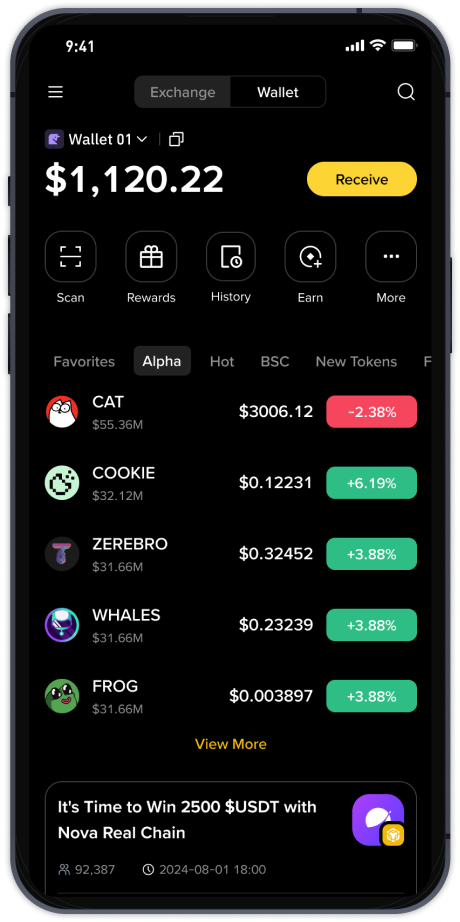
How to Use Binance Exchange with Swiss Support: A Complete Guide for Swiss Residents

Binance is one of the largest cryptocurrency exchanges in the world, offering a wide range of digital assets, trading pairs, and financial services. For users in Switzerland, accessing and using Binance with local support—including Swiss franc (CHF) deposits, withdrawals, and compliance with Swiss regulations—is a key concern. This guide explains how Swiss residents can effectively use Binance, from registration to advanced trading, while leveraging any Switzerland-specific benefits or support options.
First, to use Binance in Switzerland, you need to create an account. Visit the official Binance website or download the Binance mobile app. During registration, you must provide a valid email address and create a strong password. Binance will then require identity verification (KYC) to comply with Swiss and international anti-money laundering laws. For Swiss users, this typically means submitting a government-issued ID (such as a Swiss passport or residence permit) and a proof of address, like a utility bill or bank statement from a Swiss bank. Once verified, you can access the full range of Binance services.
Depositing funds into your Binance account as a Swiss resident can be done in several ways. The most straightforward method is to use a bank transfer in Swiss francs (CHF) if your bank supports SEPA or international wire transfers. However, note that Binance may not directly accept CHF deposits via bank transfer in all regions; instead, you can use a third-party fiat on-ramp service integrated into Binance, such as Advcash or Banxa, which often accept CHF deposits via credit card or bank transfer. Alternatively, you can purchase cryptocurrencies like Bitcoin or Ethereum from a Swiss-friendly exchange or peer-to-peer platform and then transfer those assets to your Binance wallet.
For trading, Binance offers a user-friendly interface. The "Spot" trading section allows you to buy and sell cryptocurrencies using simple market or limit orders. Swiss users should be aware of trading pairs that involve CHF, such as BTC/CHF or ETH/CHF, which may have lower liquidity compared to USDT or USDC pairs. If you prefer advanced tools, Binance also provides futures, margin trading, and staking options, but these carry higher risks and may require additional verification steps depending on Swiss regulatory guidelines.
Withdrawing funds from Binance to a Swiss bank account follows a similar process. You can sell your cryptocurrencies for CHF through Binance's P2P marketplace, or use a third-party service that supports CHF withdrawals. Some Swiss users also withdraw stablecoins like USDC or USDT to a Swiss-regulated crypto bank, such as SEBA or Sygnum, and then convert them to fiat. Always check withdrawal fees and processing times, as bank transfers can take one to three business days.
Switzerland's supportive regulatory environment for cryptocurrencies means that Binance can offer certain services tailored to Swiss residents. For instance, Binance may provide dedicated customer support for the Swiss market, including a hotline or chat agents who understand Swiss banking and tax regulations. Additionally, Binance has implemented measures to comply with Swiss financial laws, such as the Anti-Money Laundering Act (AMLA). Swiss users should also consider tax implications: the Swiss Federal Tax Administration treats cryptocurrency gains as tax-free for private investors, but business-related trading may be subject to income tax. Always consult a Swiss tax advisor for personalized guidance.
Security is paramount when using any exchange. Swiss Binance users should enable two-factor authentication (2FA) using an authenticator app like Google Authenticator, and avoid using SMS-based 2FA due to SIM-swap risks. Create a strong, unique password and consider using a hardware wallet for long-term storage of large amounts. Binance also offers a "Whitelist" feature for withdrawal addresses, which adds an extra layer of protection by only allowing transfers to pre-approved wallet addresses.
Finally, stay updated on any changes to Binance's availability in Switzerland. In 2023, Binance faced regulatory scrutiny in various jurisdictions, but it continues to operate in Switzerland under its own compliance framework. Swiss users should monitor official Binance announcements or check with the Swiss Financial Market Supervisory Authority (FINMA) for any advisories. By following these steps, Swiss residents can navigate Binance effectively, benefiting from its liquidity, diverse asset offerings, and localized support.