How to Trade TBCC on Binance DEX: Step-by-Step Guide for Decentralized Exchange Operations
As the decentralized finance (DeFi) ecosystem continues to expand, many traders are looking for secure, non-custodial ways to manage their assets. One popular query is how to operate TBCC on the Binance DEX (Decentralized Exchange). This article provides a detailed, step-by-step guide for completing TBCC trading on Binance DEX, covering everything from wallet preparation to order execution. The goal is to help beginners and intermediate users navigate this process safely and efficiently.
First, it is essential to understand the core difference between Binance.com (a centralized exchange) and Binance DEX. Binance DEX is a decentralized exchange built on the Binance Chain. It allows users to trade directly from their wallets without depositing funds into a centralized platform. To trade TBCC on Binance DEX, you must first ensure that TBCC is listed and tradable on the Binance Chain. TBCC is typically an ERC-20 or BEP-20 token; you will need to confirm its chain compatibility. If TBCC is a BEP-20 token, you can trade it directly on the Binance DEX interface. If it is an ERC-20 token, you may need to bridge it to the Binance Smart Chain (BSC) first.
The first practical step is to install a compatible wallet. Trust Wallet or MetaMask (configured for Binance Smart Chain) are excellent choices. For Binance DEX, the official Binance Chain Wallet extension is also a solid option. After installing the wallet, create a new wallet or import an existing one using your seed phrase. Secure your private keys offline. Next, you must add the TBCC token to your wallet. This usually involves manually adding the contract address of TBCC. You can find the official TBCC contract address on reputable sources like CoinMarketCap or the project’s official website. Adding the token ensures you can see your balance after receiving or purchasing TBCC.
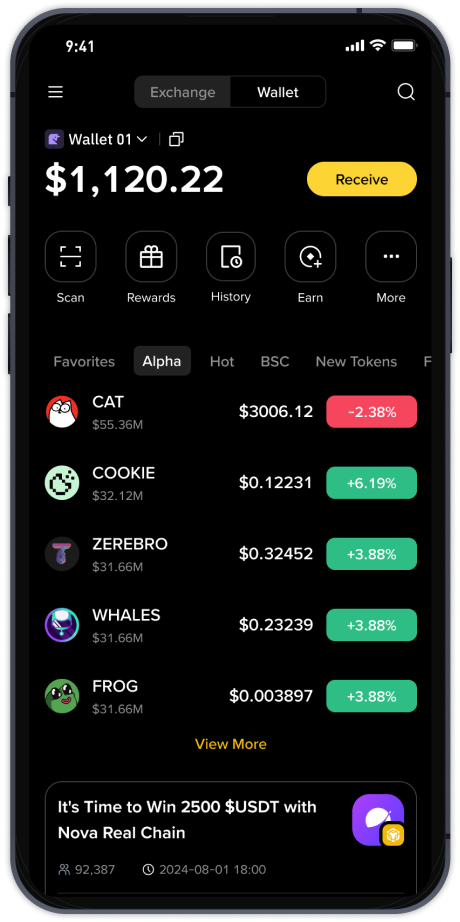
Once your wallet is set up, navigate to the Binance DEX platform. Historically, Binance DEX had its own dedicated web interface (e.g., binance.org), but many of its functionalities have been integrated into the broader Binance ecosystem or are accessible via third-party DEX aggregators that support Binance Chain. Today, the most common way to trade TBCC on a decentralized exchange is through PancakeSwap (if TBCC is on BSC) or through the native Binance DEX interface. For this guide, we assume you are using the Binance DEX standard interface. Click on “Connect Wallet” and select your wallet type (e.g., MetaMask or Trust Wallet). Authorize the connection by signing a message in your wallet. This does not cost gas fees but proves you own the wallet address.
After connecting, you will see the trading pairs. Search for the TBCC trading pair. Common pairs include TBCC/BNB or TBCC/BUSD. If TBCC is not visible, you may need to manually add the token contract address to the exchange interface. To do this, click on the token selection field, scroll down to “Manage Tokens” or “Add Token,” and paste the TBCC contract address. Once the token appears, you can select the trading pair. Choose the amount of TBCC you want to buy or sell. For buying TBCC, you need BNB or BUSD in your wallet. For selling, you need TBCC in your wallet. Enter the amount in the “From” field. The exchange will automatically calculate the estimated amount of the other token you will receive. You can also set a limit order if you are using a more advanced interface, though typical DEX operations use market orders for simplicity.
Before confirming the swap, always review the “Minimum Received” amount and the “Slippage Tolerance.” Standard slippage is 0.5% to 1%. If the market is volatile, increase it slightly to ensure your transaction does not fail. After confirming, your wallet will prompt you to sign and confirm the transaction. Check the gas fees (in BNB for BSC, or in BNB for Binance Chain) and confirm. The transaction will be broadcast to the blockchain. You can track its progress on a block explorer like BscScan (for BSC) or Binance Chain Explorer (for Binance Chain). Once the transaction completes, the TBCC tokens will appear in your wallet balance. If they do not show up, manually add the token contract address again to refresh the balance.
Security is paramount when using decentralized exchanges. Never share your private keys or seed phrase with anyone. Always double-check the token contract address to avoid scam tokens that share a similar name to TBCC. Beware of phishing websites pretending to be Binance DEX. Always access the official URL via bookmarks. Additionally, be mindful of high gas fees during network congestion. Consider trading during off-peak hours to reduce costs. Finally, keep a small amount of BNB in your wallet to cover future transaction fees.
In conclusion, trading TBCC on Binance DEX requires a compatible wallet, the correct token contract, and a careful approach to transaction settings. The process is straightforward: connect your wallet, add the token, choose a trading pair, set slippage, and confirm the swap. While DEX trading offers greater control over your funds, it also demands more personal responsibility for security and transaction management. By following the steps outlined above, you can successfully operate TBCC on Binance DEX with confidence. Always stay updated on any changes to the Binance DEX interface or TBCC token migration to ensure your operations remain smooth.