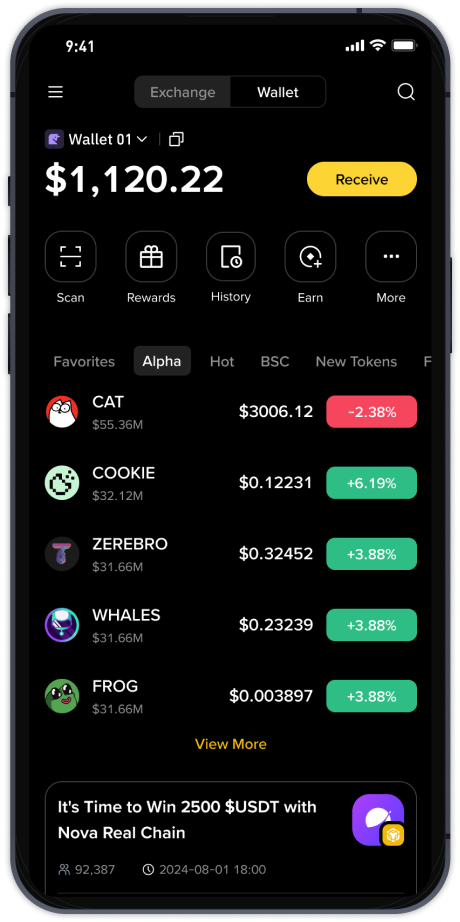
Is Binance a Legitimate Crypto Exchange? A Beginner’s Guide to Getting Started
Binance is one of the largest and most well-known cryptocurrency exchanges in the world. For new users, the first question is often: Is Binance a legitimate and safe platform to use? The short answer is yes, Binance is a legitimate, registered company that operates in compliance with regulations in multiple jurisdictions. Founded in 2017 by Changpeng Zhao, Binance has grown to serve millions of users globally, offering spot trading, futures, staking, and a wide range of digital assets. However, "legitimate" does not mean unregulated. In fact, Binance has faced regulatory scrutiny in various countries, leading to the establishment of separate entities like Binance.US to comply with local laws. This means that while the core platform is legitimate, users must check whether Binance is fully licensed in their specific region before depositing funds.
To start using Binance, the process is straightforward but requires careful steps to ensure security. First, visit the official Binance website or download the official mobile app from the Apple App Store or Google Play Store. Be cautious of fake apps and phishing sites—always double-check the URL. Next, create an account using your email address or phone number. You will be asked to set a strong password and enable two-factor authentication (2FA) using an authenticator app like Google Authenticator or Authy. This is critical because 2FA adds an extra layer of protection against unauthorized access. After registration, you must complete identity verification (KYC) by uploading a government-issued ID and a selfie. This step is mandatory for most users and helps Binance comply with anti-money laundering (AML) regulations. Without KYC, you may be limited in trading volume and unable to withdraw certain amounts.
Once your account is verified, you can deposit funds. Binance supports deposits in cryptocurrency (e.g., Bitcoin, Ethereum, USDT) as well as fiat currency via bank transfer, credit/debit card, or third-party payment services like Simplex. For beginners, the easiest method is to buy crypto directly using a debit or credit card. After your funds arrive in your Binance wallet, you can start trading. The standard "Spot" trading interface allows you to buy and sell coins at market price or set limit orders. For example, if you want to buy Bitcoin, simply search for the BTC/USDT trading pair, enter the amount, and confirm the order. Binance also offers advanced features like margin trading, futures, and savings products, but these carry higher risk and are not recommended for beginners until you fully understand the mechanics.
Security is another critical aspect of using Binance. The exchange has a strong track record of protecting user funds, including a Secure Asset Fund for Users (SAFU) that stores 10% of trading fees in a separate wallet to cover potential losses from hacks. However, no platform is 100% immune to risks. Always store the majority of your long-term holdings in a personal wallet (hardware wallet like Ledger or Trezor) rather than leaving them on the exchange. For active trading, enable withdrawal whitelist features on Binance, which ensures that any withdrawal requests only go to predefined wallet addresses. Additionally, avoid clicking on suspicious links or sharing your API keys with third-party services unless you fully trust them.
In summary, Binance is a legitimate cryptocurrency exchange that offers a robust and user-friendly platform for both beginners and advanced traders. The key to safe operation lies in taking proper security precautions: strong passwords, 2FA, KYC verification, and cautious handling of withdrawal addresses. While the exchange’s global status may vary by region, its core infrastructure and security measures are industry-leading. By following the steps outlined above—registration, verification, deposit, and safe trading—you can confidently start your cryptocurrency journey on Binance. Always stay updated on local regulations and Binance’s official announcements to ensure compliance and security.