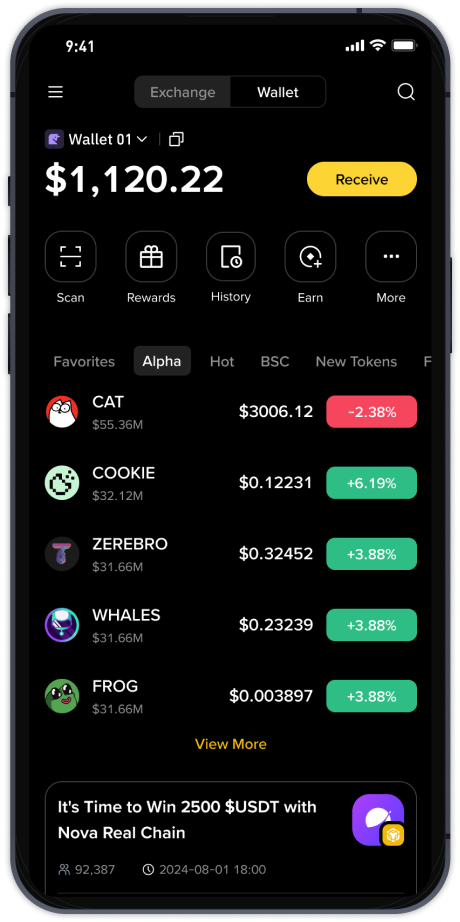
Binance Chinese Site Guide: Features, Access, and Trading Tips for 2025

For Chinese-speaking cryptocurrency enthusiasts, the Binance Chinese site remains a central point of interest in 2025. While Binance, as a global exchange, restricts direct mainland China IP addresses, many users still actively seek reliable access methods and updated information about its Chinese-language interface. This article explores key features, common access challenges, and practical trading insights for users who rely on the Binance Chinese version.
First, it is important to understand what the "Binance Chinese site" actually entails. Binance offers a localized version of its platform that supports Simplified Chinese. This version includes translated menus, customer support materials, and localized trading pairs. However, due to regulatory restrictions, users within mainland China typically cannot access the platform directly through standard internet connections. Many experienced users rely on third-party tools or alternative domain addresses to bypass these geo-blocks, though this carries inherent risks.
From a functional perspective, the Chinese site mirrors the global platform in most aspects. Users can spot trade, use futures and margin features, and participate in staking or Launchpad events. One critical difference is the availability of certain payment methods. While the global site supports credit cards and bank transfers, the Chinese version often emphasizes peer-to-peer (P2P) trading for fiat currency conversion. Popular P2P options include Alipay and WeChat Pay, but users must verify that their trading counterparty is reputable to avoid frozen funds or scams.
Security is another major concern for Chinese-speaking Binance users. Since many access the site through unofficial domains or VPNs, the risk of phishing attacks increases significantly. Always double-check the URL before logging in. The official Binance Chinese site typically uses a subdomain like "www.binance.com/zh-CN" or similar patterns. Avoid clicking on ads or links from unverified Telegram groups, as fake login pages are common. Enabling two-factor authentication (2FA) via Google Authenticator or hardware keys is strongly recommended.
For traders looking to maximize their experience, understanding local market trends is vital. Chinese-speaking traders often react quickly to news from WeChat channels or domestic crypto communities. Monitoring sentiment around Bitcoin halving cycles, new altcoin listings, or regulatory announcements from Hong Kong can provide an edge. Additionally, the Binance Chinese site occasionally features exclusive promotions or airdrops for users who complete KYC verification. These limited-time events can offer bonus tokens or reduced trading fees, so staying subscribed to official announcements is beneficial.
Finally, users should be aware of the legal gray area surrounding crypto trading in mainland China. While the government maintains a strict stance against cryptocurrency exchanges, individual trading is not explicitly illegal in most cases. However, banks may freeze accounts suspected of crypto-related transactions. Therefore, it is wise to use Binance's P2P platform with accounts that are not linked to primary salary or savings accounts. Diversifying withdrawals across multiple payment methods can also reduce risk.
In conclusion, the Binance Chinese site remains a powerful tool for Chinese-speaking traders worldwide, but it requires cautious navigation. From secure access and phishing awareness to localized trading features and legal considerations, users must stay informed. Whether you are a beginner exploring spot trading or an advanced user leveraging futures, always prioritize safety and verify information through official Binance channels. The landscape of crypto in the Chinese-speaking world continues to evolve, and those who adapt carefully will find opportunities even in a restricted environment.